We help households access safer, better homes — to rent, own, build or improve.
Nam-Nam Impact Partnership works across both housing and housing finance in emerging markets — deploying impact capital and grant-funded technical assistance into affordable, disaster- and climate-resilient housing that large institutions cannot yet reach. We start where the need is greatest: with the family trying to build or finance a better home, and we back the people who finance and deliver it.

In Vietnamese, Nam means “south” — so our name says it twice. We back South-South exchange for developing markets: helping capital, knowledge and technology flow between emerging markets as peers, rather than from richer countries down to poorer ones. A housing-finance model proven in one emerging market is often the right answer for another — and supporting the exchange that adapts and finances it there is what we do.
The problem
The finance that could make a home safe, resilient and affordable reaches fewer and fewer of the people who need it — and the circle of need is widening.
The affordable housing gap is global and already vast: around 2.8 billion people — more than a third of humanity — live in inadequate housing, and some 318 million are homeless. Its sharpest edge is in the emerging markets of Asia and Africa, where low- and informal-income families build, improve and rent their homes with little access to finance, and what exists was not designed for them. The real barrier is not scale but risk: the models that could serve these families go untested and unfunded because no one will absorb the early risk of proving them.
For more than a decade — through the long era of central bank money-printing and near-zero interest rates, and again through COVID — cheap credit masked how fragile housing affordability had become. That era has ended. The monetary tightening that began in 2022 has been among the fastest and most synchronised in decades: central banks across both advanced and emerging economies raised policy rates sharply, and ‘higher-for-longer’ has kept mortgage, construction and rental costs elevated — pushing finance beyond reach, just as household budgets are squeezed on every side.
Work is changing too. Some 2.1 billion workers — close to 60% of the global workforce — earn their living in the informal economy, and automation is pushing more people into gig and variable-income work that conventional mortgage underwriting cannot assess. Over the next five to ten years, these pressures make unaffordability structural and push it up the income ladder — from the base of the pyramid into the middle class, impeding families who a generation ago would have expected to own.
Where the system falls short
Conventional lending is not built for low- and informal-income households — and, increasingly, not for the widening band of variable-income earners above them. The families most exposed, those without formal income, secure tenure, or a credit history, are served least of all.
The products, instruments, channels and technologies that could close the gap — on both the demand and supply sides — stay starved of the early capital they need to prove themselves.
Builders and lenders often lack the incentive and the technical skill to deliver climate-resilient housing and housing-finance instruments at the scale these markets now require.
Together these deepen inequality, limit economic and housing mobility, and leave more households more vulnerable than ever before. We cannot close a gap this large alone. Our role is to prove, through pilots in both the financing and the building of homes, which models can scale — so larger capital follows.
Housing that finance has yet to reach
Across growth economies and frontier markets, the homes families build and live in are too often inadequate, unsafe, and unable to withstand disaster or a changing climate — housing that finance has yet to reach. Bridging the housing deficit is our biggest social challenge, and yet presents an unprecedented market opportunity.
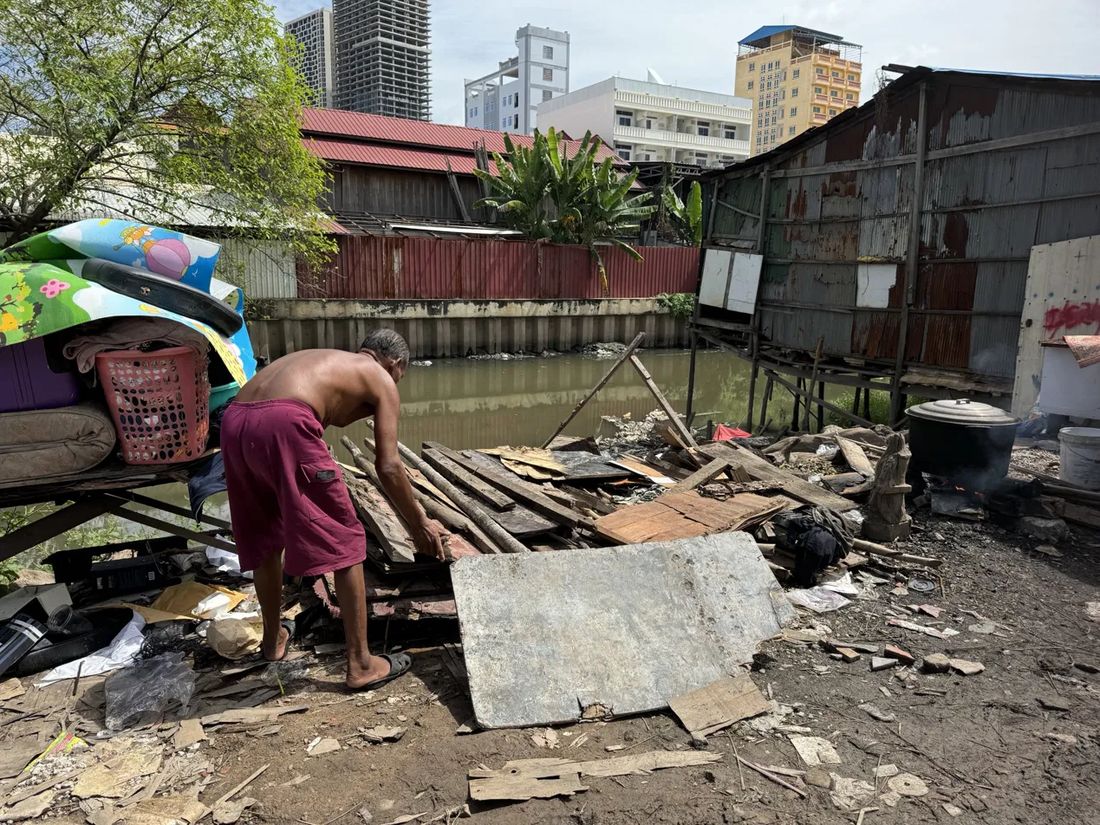
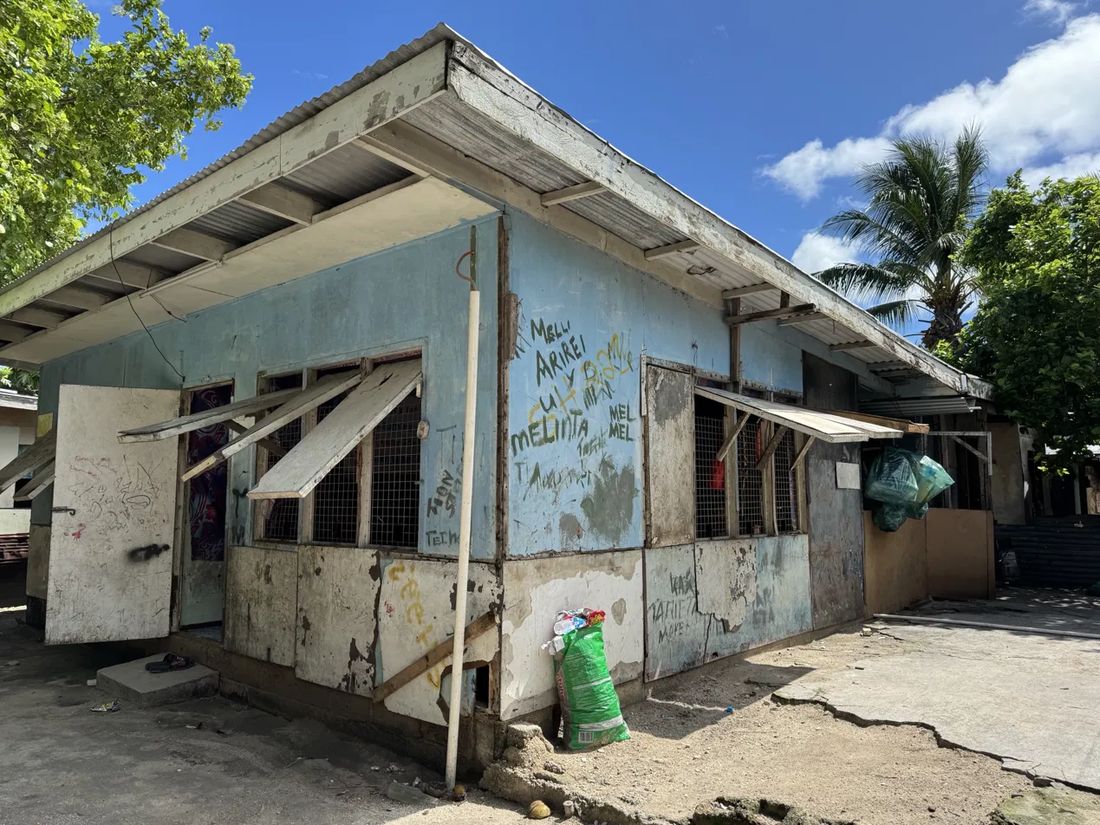

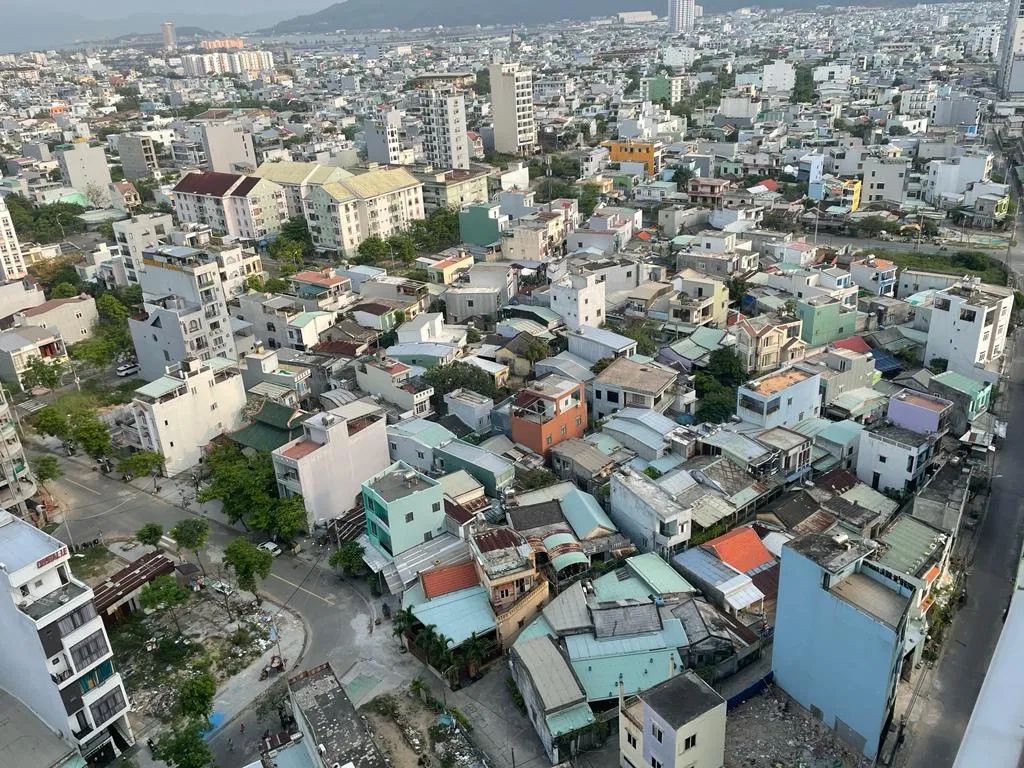
Sources: UN-Habitat estimates, reported in UN DESA (2025); ILO, Employment and Social Trends 2026 and informal-economy statistics; BIS, “Front-loading” monetary tightening: pros and cons, BIS Bulletin No. 63 (December 2022); IMF, World Economic Outlook.
Our approach — invest, accelerate, deliver, scale
We invest in the gap the market is unable to serve. Large development-finance and donor institutions do vital work — including at the base of the pyramid — but the early, small-ticket, still-unproven housing finance models fall below the size they can efficiently deploy, sit ahead of what commercial lenders will fund, and lie outside the expertise of most impact investors.
We exist to make affordable, disaster- and climate-resilient housing investable — taking on the risk and groundwork others cannot. We do not solve the housing deficit ourselves; rather, we evidence and confirm which approaches actually work, improve their robustness and scalability, and prepare the ground for growth-stage capital providers.
To catalyse affordable, disaster- and climate-resilient housing: expanding housing finance for underserved households across tenures — to build, rent or own — and backing the institutions, contractors and developers who finance and deliver resilient homes. Demand and supply reinforce each other; housing finance is our priority.
Four integrated pillars — invest, accelerate, deliver, scale
Working together from first investment through to scale.
Catalytic investment
We fund high-impact affordable-housing models with flexible capital — strategic, smaller-scale investments that align with local market conditions and with development finance institutions, but fall below those institutions’ threshold. We prefer investing at two stages: early, to help a model prove itself; and at growth, where a proven model needs capital to scale.
Equity · debt · blended finance · guarantees
The accelerator
Financeable models do not arrive ready, and we carry a wider risk appetite than most: we fund pilot initiatives that conventional lenders will not touch, at ticket sizes donor institutions find too small — not through weaker diligence, but by absorbing early-stage uncertainty. TA grants support implementation (and, where an investment is likely, preparation), pilot funding tests a model in the field, and mentorship brings guidance drawn from decades in housing finance — with a clear path to investment for models that prove out.
Implementation excellence — on the ground, not just on paper
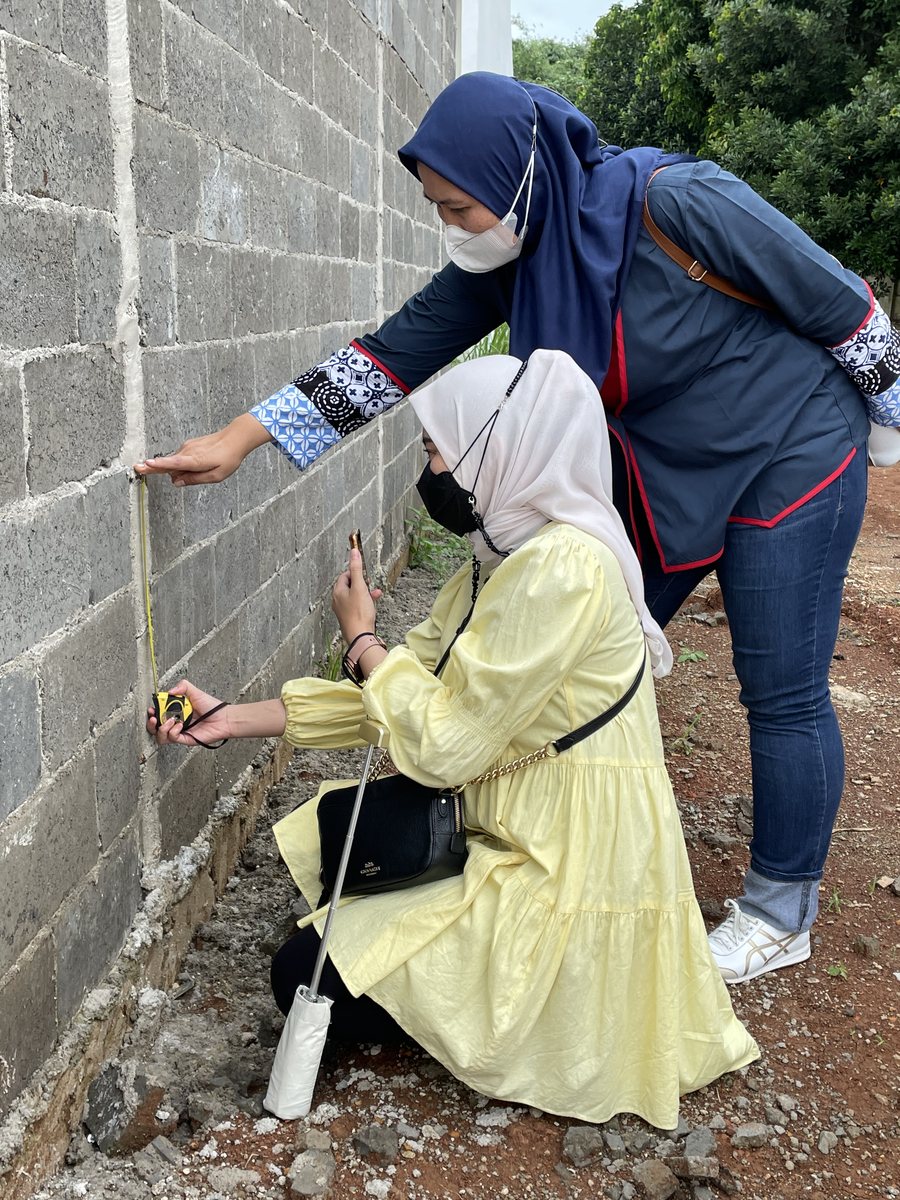
A funding decision is not the end of our involvement; rather, it is where we start. We work alongside partners throughout delivery, providing hands-on technical assistance so they can navigate real construction and lending challenges as they arise — turning a funded model into actual homes, built to standard, in line with consumer needs and expectations, and to high standards of quality and climate resilience.
Scaling and South-South exchange
When a model proves out, we help it grow beyond the pilot. On the capital side, we bring in co-investors, development finance institutions and lenders to finance it at scale.
On the knowledge side — the South-South exchange our name stands for — rather than import templates from the developed world, we help models and frameworks proven in one emerging market adapt to another: from one Asian country to the next, and from Asia to Africa and back, fitted to local income, tenure, climate and operating environment. We document what worked and why, share it through the field’s exchange forums — such as the World Urban Forum, the African Union for Housing Finance (AUHF) and Habitat for Humanity’s Asia-Pacific Housing Forum — and build an open track record through our impact reporting.
How we measure success
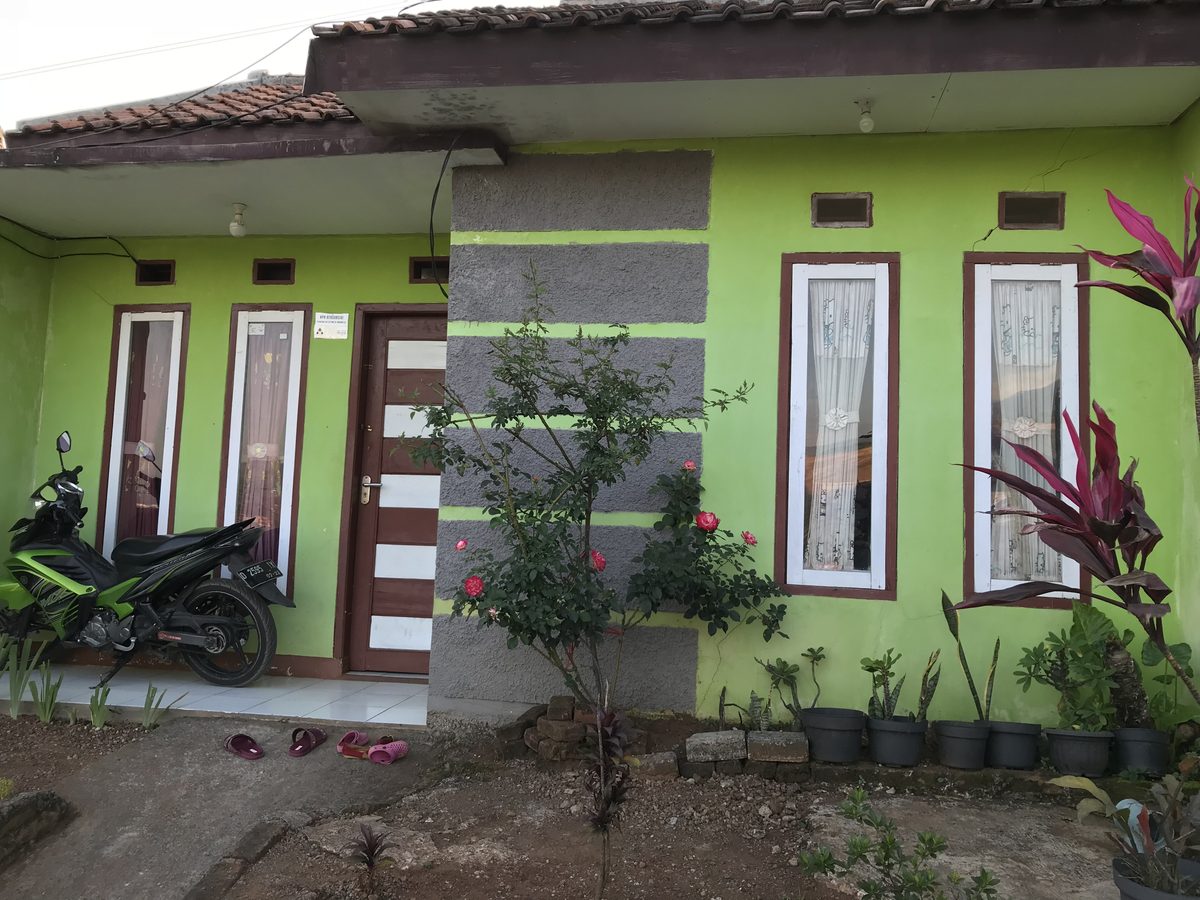
A household that could not previously reach finance, living in a safer and more affordable home — and a model proven well enough to mobilise growth capital.
The clearest measure of our work is a model that starts unproven and ends investable — ready for the larger capital that scales it.
Families who gain access to finance for a better home — to rent, own, build or improve — across both the demand and supply sides.
The follow-on investment our early risk unlocks: every dollar we place is meant to move more capital in behind it.
Households and homes we aim to reach
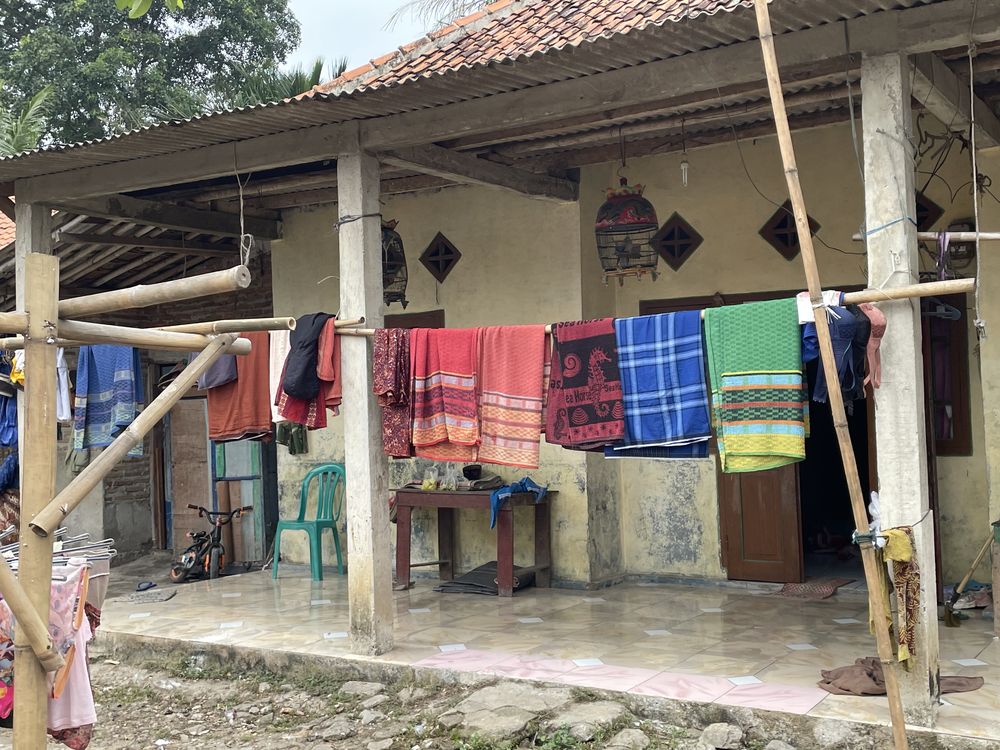
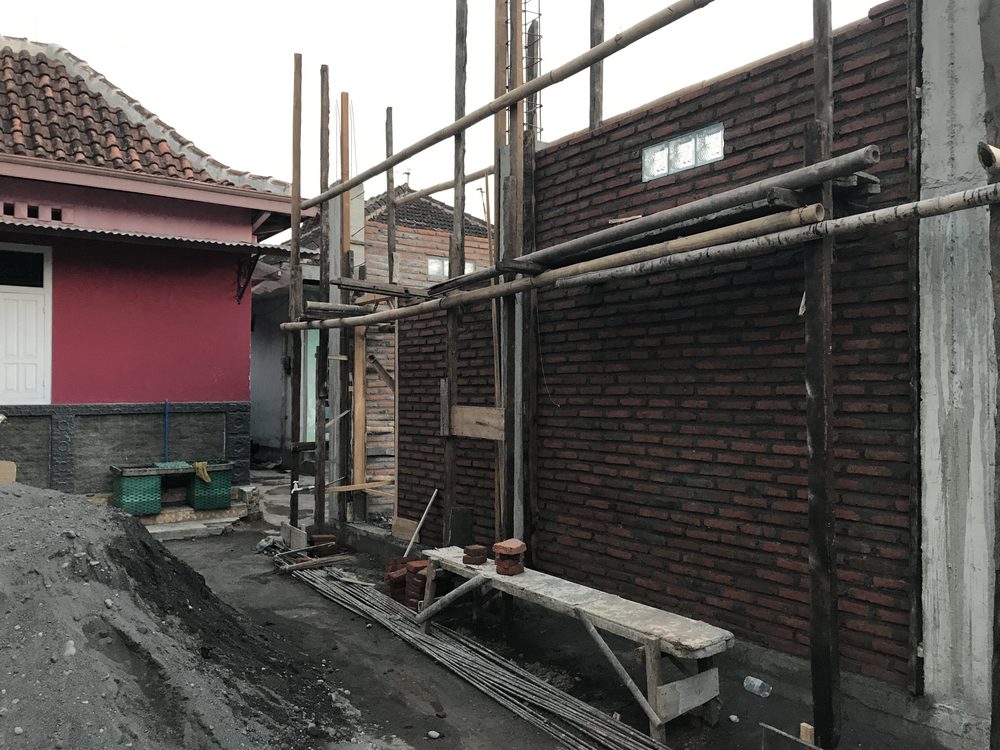
Some examples: everyday, self-built and incremental housing that rarely benefits from formal finance.


How we invest
Self-funded, and open to partners. We blend impact investment with grant support, so we can back a model from preparation to scale. Most investors join at any one stage; we can be present throughout. We welcome partners who can add technology, capacity and/or funding.
What we fund
Housing finance first, with selected supply-side solutions.
We invest in financial intermediaries — MFIs, banks, housing-finance companies and fintechs — that lend to households for a better home, be it rent-to-own and rental, home improvement, incremental self-build or resilient construction. We prefer funding organisations that directly deliver and manage retail housing loans.
Housing finance is our priority, but we also support the supply of affordable homes — proptech, rental aggregators, resilient construction, building-material suppliers, and small-scale developers and landlords who create the rental and incremental housing, especially for low-income families.
Early-stage models worth proving, and growth-stage enterprises with a model that already works.
Low- and middle-income markets across both regions.
The technology we look for
Not tools we run ourselves, but what makes an investee’s model work.
Digital lending, alternative credit assessment and end-user finance tools that reach households who do not have access to conventional banking and mortgage channels.
Data, AI and new tech-enabled distribution and outreach channels that extend finance to households without formal income, tenure or credit history.
Industrialised, innovative and resilient building methods and materials that cut cost and time while raising quality and durability.
Planning, risk-assessment, construction technical assistance and management systems that de-risk delivery before ground is broken, including micro-insurance to address persistent disaster risk.
What we can offer
Flexible capital, structured to fit the deal.
- Equity
- Stakes in enterprises expanding access to housing finance, resilient housing delivery and rental solutions.
- Debt
- Working capital and construction finance, and credit facilities that aggregate end-user finance so households can borrow to build, improve or rent.
- Blended finance
- Capital structured alongside grant funding to de-risk a deal and improve affordability.
- Guarantees
- Partial credit and risk-sharing guarantees that help lenders extend housing finance to households they would not otherwise serve.
Grants & technical assistance may run across all four. We add grant-funded technical assistance for preparation and implementation on an as-needed basis — not every investment will receive it. Where provided, it is included, not sold as a service.
How the process works
Reviewed by our Advisory Committee. Both grants and investments are reviewed by Nam-Nam together with an Advisory Committee of housing and housing-finance specialists, who also support our due diligence.
Call for proposals
Technical assistance grants to implement housing investments — and, selectively, to prepare them.
Our grants go first to support implementation: helping a model we invest in roll out its product, build its operating and risk systems, and test its technology in the field. We also fund preparation — designing a product and getting it ready to pilot — but only where a model has a very strong possibility of becoming an investment.
What a grant can fund
Examples of eligible work by applicants.
Rolling out (or, selectively, designing) a housing-microfinance or micro-mortgage product, testing a digital channel, building underwriting that works for informal income, or developing alternative credit assessment and/or collateral for informal-tenure borrowers.
Resilient construction standards, quality-assurance and certification systems, innovative construction techniques and building materials, or pilot-ready low-cost building methods.
How we evaluate
Every proposal is assessed against five criteria.
Can the model grow well beyond the pilot — with the potential to reach many more households, and the flexibility to customise and adapt to new markets?
Does it do something genuinely new, or meaningfully better, in how housing or housing finance reaches the underserved?
Does it fit the real conditions of its market — income, tenure, regulation and climate — with a credible path to sustainability?
How many households gain access to a safer, more affordable home, and how deep is the change for them?
The strength, credibility and staying power of the team behind the model — and an existing system to monitor and evaluate how funds are used.
Who should apply
Registered organisations in low- or middle-income countries in Asia or Africa, working for underserved households — ideally leading to, or paired with, an investment:
- MFIs, banks and non-bank lenders
- Housing-finance companies
- Fintechs and proptechs
- Social enterprises
- Small-scale developers
- Cooperatives, NGOs and consortia
How it works & how to apply
Start with a short summary of the problem you are solving and your solution and business model, in under 500 words. Where there is a potential fit, we will invite you to apply with a more detailed concept note, followed by due diligence and award. Grants disburse against agreed milestones.
Priority goes to implementation grants — those that support implementation of a housing model. Preparation grants are approved only where a model has a very strong likelihood of becoming an investment. Depending on the work, a grant may be delivered by the awardee, or by the Nam-Nam team — on its own or with our partners and consultants — where we hold the technical capacity to execute alongside you.
There is no fixed deadline. We review proposals on a rolling basis and stop accepting new ones once the available funds are committed.
Proposals are reviewed by Nam-Nam together with its Advisory Committee, through our own internal process, and our decisions are final. To be fair to every applicant, we are not able to enter into appeals or re-negotiation once a decision is made. We contact shortlisted applicants directly; if you have not heard from us, your proposal has not been taken forward on this occasion.
Send your summary (under 500 words) through the enquiry form, or by email to contact@NamNamImpact.org.
Send your summaryPortfolio
Where our capital goes — a short, growing record of the enterprises we back, published with the investee’s consent.
Urban Wave Lite
Founded by urbanist Cha-Ly Koh of Urbanmetry, Urban Wave Lite uses a proprietary property valuation database to drive the step-by-step regeneration of Kuala Lumpur’s left-behind neighbourhoods — proving that technology-enabled urban regeneration is possible, and investable.
Why we invested. Data-driven planning is core to our thesis; backing an early, unproven-at-scale model helps prove an approach that growth capital providers and city authorities can then take forward.
Who we are

A housing and housing-finance practitioner who has worked every layer of the system — demand, supply, and the policies and platforms that connect them.
Dao founded Nam-Nam after retiring from the World Bank, where she was Senior Housing Specialist for East Asia and the Pacific — leading affordable- and resilient-housing programmes across Indonesia, the Maldives, Mongolia, Cambodia and the Philippines. Earlier, as International Risk Director at Genworth Financial, she was part of the development of the India Mortgage Guarantee Corporation and built mortgage-guarantee programmes in new markets.
Her expertise spans blended finance, housing microfinance and mortgage-guarantee institutions; resilient and self-build housing; and the digital platforms and policies that connect them, including Indonesia’s Housing and Real Estate Information System (HREIS).
She began her career as a commercial bank lender and led the joint-venture development of FrieslandCampina Vietnam Company Limited.
Advisory team
Senior housing and housing-finance specialists who support our reviews and due diligence, and bring deep market knowledge across Asia and Africa.

Founder and Executive Director of the Centre for Affordable Housing Finance in Africa (CAHF), and a leading authority on housing finance across the continent. Her work builds the data, research and market analysis that guide investors, lenders and policymakers in African housing markets.

Nearly three decades in housing and housing finance across South and Southeast Asia, the Pacific and Africa. He worked at HDFC for over 13 years. As a consultant, he advises governments and lenders on housing microfinance, micro-mortgages, blended finance and results-based financing — recently in Timor-Leste, the Maldives, Pakistan and Cambodia.
More advisors to be added.
A community of partnerships
We are an active part of the international housing community, and a catalyst within it.
Affordable, resilient housing does not advance through capital alone. It advances through a community of organisations building the knowledge, tools, standards and delivery capacity the whole field draws upon. Nam-Nam supports that community and works alongside it — sharing what we learn and helping connect the people financing housing with the people building it across regions and markets.
Our partners


 & more being confirmed
Get in touch
If you are building in housing or housing finance, we want to hear from you.
We are most interested in founders at a stage earlier or smaller than what institutional investors will typically consider. Tell us what you are building: the problem you are solving, and your solution and business model, in under 500 words. Where there is a potential fit with our current priorities, we will send you an application package — or come back to you with questions to understand your model better.

“What is a resilient home?”
Homes as students imagine them — winning entries from a competition at the launch of the Resilient Housing Guidance for the Maldives. A safe, affordable home for everyone is the vision we work toward.